In the demanding world of industrial maintenance and large-scale sanitation, efficiency is not just a goal—it is a necessity. Whether managing a manufacturing plant, a food processing facility, or a large agricultural operation, the tools you choose directly impact your operational downtime and hygiene standards. Among the vast array of cleaning tools available, the industrial roller brush stands out as a critical asset for tackling tough grime over expansive surface areas.
Unlike standard hand brushes or flat scrubbing pads, an industrial roller brush is engineered for durability and coverage. But what exactly makes them the superior choice for heavy-duty applications? Let’s dive into the mechanics, benefits, and specific use cases of these robust cleaning tools.
The Mechanics of the Roller Brush
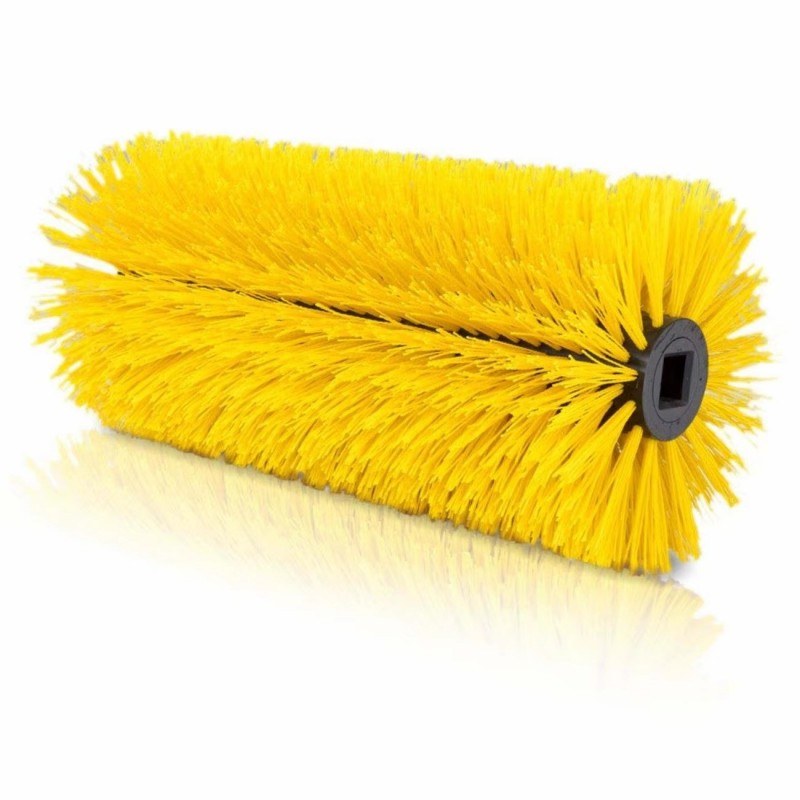
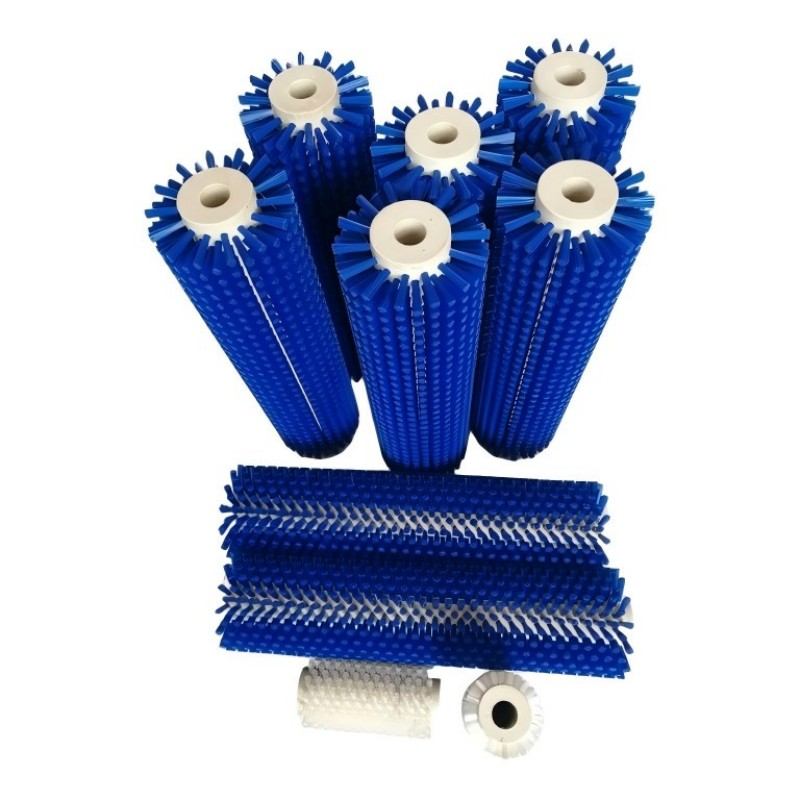
At its core, a roller brush consists of a cylindrical core—often made of durable plastic or wood—wrapped with bristles. This design allows for a 360-degree cleaning action. When attached to a handle or a mechanized drive system, the rolling motion converts linear force into rotational scrubbing power.
For industrial settings, the "bristle" is the most important variable. While nylon is common for general cleaning, heavy-duty roller brushes often utilize:
- Polypropylene: Resistant to chemicals and moisture, ideal for wet environments.
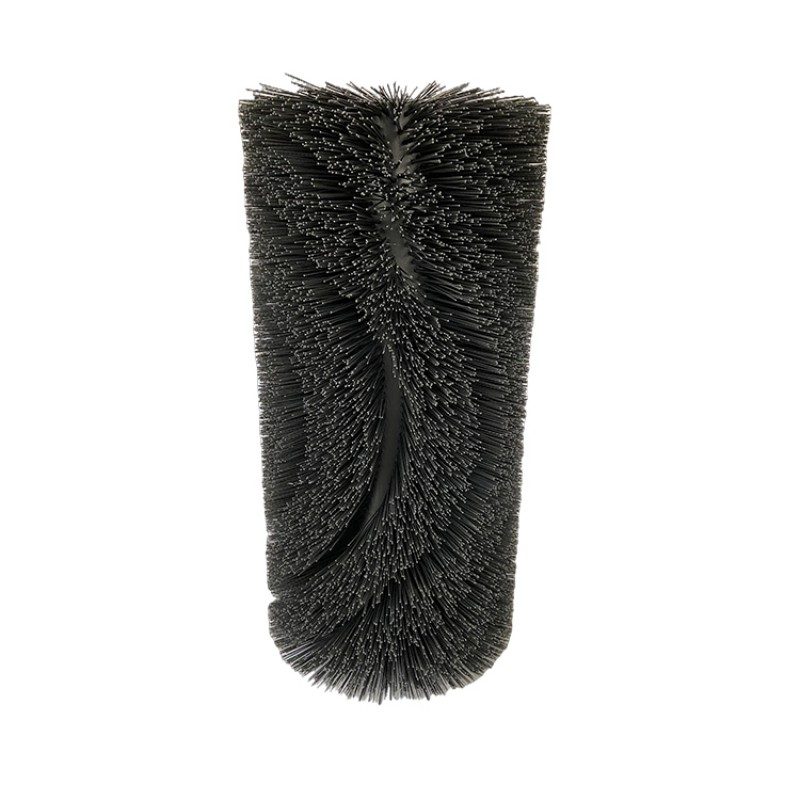
- Steel Wire (Carbon or Stainless): Used for aggressive tasks like rust removal, paint stripping, or cleaning concrete floors.
- Abrasive Nylon: Infused with silicon carbide or aluminum oxide to act like sandpaper, perfect for deburring metal parts or cleaning textured surfaces.
Key Advantages in Industrial Settings
- Superior Surface CoverageTime is money in industrial cleaning. A flat brush requires repetitive back-and-forth strokes. A roller brush, however, covers a wide swath of surface area with every pass. This significantly reduces the time required to clean large floors, conveyor belts, or exterior walls.
- Consistent Pressure DistributionOne of the hidden benefits of a cylindrical design is how it distributes pressure. Unlike a flat pad that might dig into corners or miss low spots, a roller brush maintains consistent contact with the substrate. This ensures a uniform clean, which is vital when preparing surfaces for coating or ensuring sanitary conditions in food processing.
- Versatility Across SubstratesIndustrial facilities are rarely made of just one material. You might have concrete floors, stainless steel machinery, and rubber conveyor belts. By simply swapping the roller head or changing the bristle stiffness, operators can adapt the same tool handle for multiple tasks. A soft bristle roller can sweep dust from delicate sensors, while a stiff wire roller can strip corrosion from a steel beam.
Critical Applications
- Floor Maintenance: In warehouses, oil and grease buildup is a safety hazard. Heavy-duty roller brushes attached to floor scrubbers agitate the floor surface, lifting embedded dirt that mops simply push around.
- Food & Beverage Processing: Sanitation is non-negotiable. Roller brushes designed for this sector often feature USDA-compliant materials that resist bacterial growth. They are essential for cleaning the undersides of conveyor belts and the interior of processing tanks where bacteria love to hide.
- Agriculture: From cleaning grain silos to scrubbing down livestock trailers, the rugged nature of industrial roller brushes handles the abrasive dirt and organic matter found in farming environments without falling apart.
Choosing the Right Industrial Roller Brush
When sourcing these tools, do not look at price alone. Consider the filament flagging (split ends on the bristles). Flagged bristles hold more liquid and provide a softer touch, while unflagged bristles are stiffer and more aggressive. Also, check the core construction. A metal core is necessary for high-speed mechanical applications to prevent the brush from flying apart, whereas a plastic core is sufficient for manual use.
In conclusion, the industrial roller brush is more than just a cleaning tool; it is a productivity multiplier. By investing in the right type of roller brush for your specific industrial challenge, you ensure that your facility remains safe, compliant, and operating at peak efficiency.